
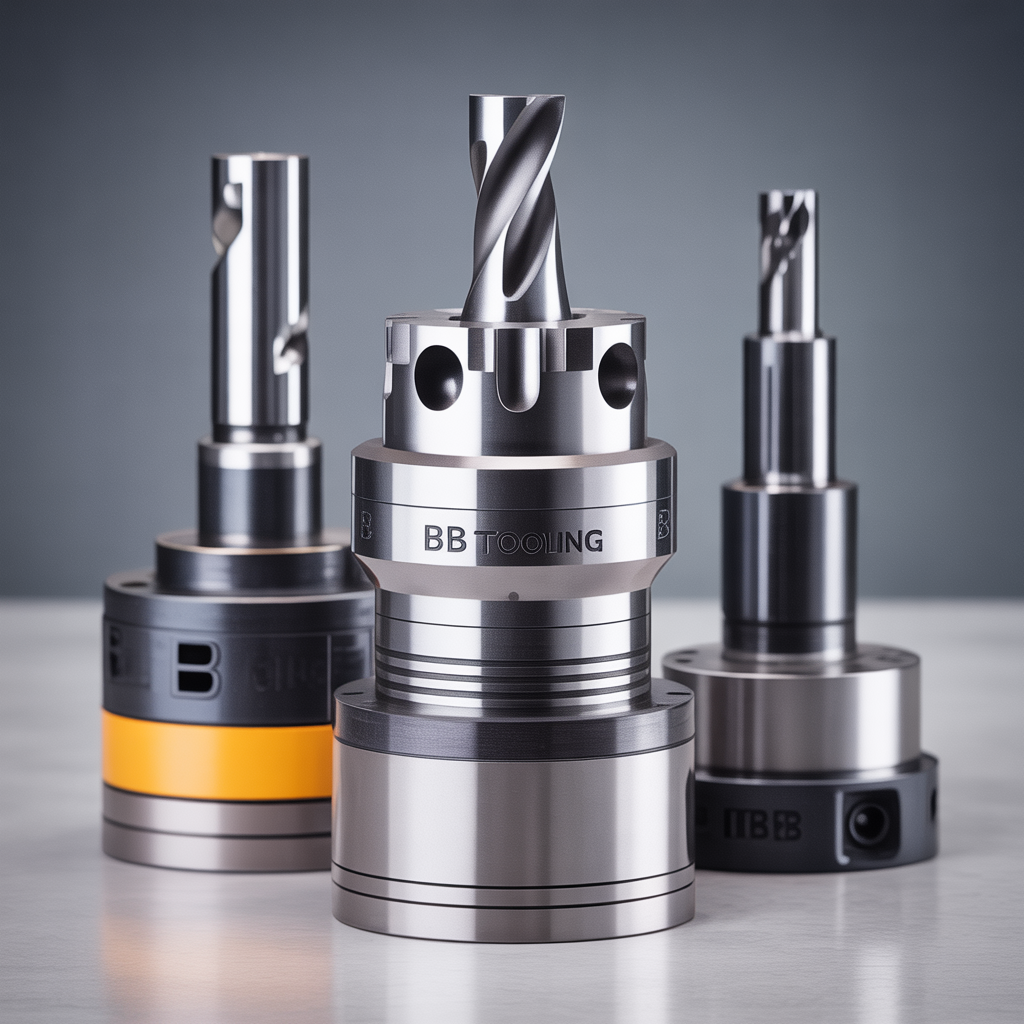
One of the most common questions in tablet manufacturing is: what is the difference between D tooling, B tooling, and BB tooling? The answer determines which tooling fits your press, what tablet sizes you can produce, and how efficiently your production line runs.
The Four Tooling Standards at a Glance
| Standard | Die OD | Max Tablet | Punch Barrel | Best For |
|---|---|---|---|---|
| D Tooling | 38.10mm (1.5") | 25mm | 25.4mm | Standard to large tablets — most common worldwide |
| B Tooling | 30.16mm (1.1875") | 18.5mm | 19.0mm | Large tablets, veterinary, effervescent |
| BB Tooling | 24mm (0.945") | 18.5mm | 19.0mm | Compact presses, more stations per turret |
| DB Tooling | 30.16mm (B die) | 25mm | 25.4mm (D punch) | Large tablets on B tooling presses |
D Tooling — The Industry Standard
D tooling is the most widely used tablet tooling standard in the world. The majority of rotary tablet presses in pharmaceutical, nutraceutical, and confectionery manufacturing use D tooling.
- Die OD: 38.10mm (1.500 inches)
- Maximum tablet diameter: 25.0mm
- Compatible with most standard rotary tablet presses
- Widest range of shapes, configurations, and accessories
Best for: Standard pharmaceutical tablets (6—25mm), most nutraceutical tablets, confectionery, effervescent tablets (typically 20—25mm).
Limitation: Cannot produce tablets larger than 25mm.
B Tooling — For Large Tablets
B tooling uses a 30.16mm die OD with a 19.0mm punch barrel. It is designed for tablets up to 18.5mm diameter.
Best for: Large nutraceutical tablets and supplements (13—18.5mm), veterinary boluses, large confectionery tablets and mints, effervescent tablets.
Limitations: Fewer stations per turret than BB tooling. Not efficient for tablets under 13mm. Larger die pockets mean higher material cost per set.
BB Tooling — Compact and Efficient
BB tooling uses a 24mm die OD with a 19.0mm punch barrel. It is designed for compact presses and supports tablets up to 18.5mm diameter.
Best for: Small to medium tablets on compact presses, maximizing stations per turret on BB-compatible presses.
Limitations: Not all presses accept BB tooling — check compatibility. Maximum tablet diameter is 18.5mm.
DB Tooling — The Versatile Option
DB tooling uses B-size dies (30.16mm OD) with D-size punch barrels (25.4mm). This allows you to produce larger tablets (up to 25mm) on a press designed for B tooling.
Best for: Producing large tablets on a B tooling press, facilities that need up to 25mm tablets on a B-press.
Output Comparison
The number of stations per turret directly affects production output. Since die size determines how many stations fit, the hierarchy is:
- BB tooling (24mm die) = MOST stations (smallest dies)
- B tooling (30.16mm die) = MEDIUM stations
- D tooling (38.10mm die) = FEWEST stations (largest dies)
However, D tooling is still the most common standard because it can handle the full tablet size range (3—25mm) while B and BB are limited to 18.5mm. D tooling is the ONLY standard that can produce tablets from 18.5—25mm.
Conclusion
D tooling is the LARGEST standard (38.10mm die OD) and the right choice for most tablet manufacturing — it handles tablets from 3mm up to 25mm. B tooling is MEDIUM-sized (30.16mm die OD) for tablets up to 18.5mm. BB tooling is the SMALLEST standard (24mm die OD) for compact presses. DB tooling provides flexibility on B tooling presses when you need tablets up to 25mm.
Remember: Only D tooling can produce tablets from 18.5mm to 25mm diameter. If you are unsure which standard your press uses, contact EMMKAY INDUSTRIES with your press brand and model number.